%2Ffit-in%2F250x250%2Fguide_websites%2F73086%2Fimages%2F1768999736035chatgptimagejan21202607_38_56pm.png&w=1920&q=100)
/users/699121be-3871-4325-97f9-8d779b795b70/ratecard/image-jan-21-2026-01-39-24-8204-am-mkry0mhp.png)
%2F300x300%2Fusers%2F699121be-3871-4325-97f9-8d779b795b70%2Fratecard%2Fimage-jan-21-2026-01-39-24-8204-am-mkry0mhp.png&w=256&q=75)
%2F300x300%2Fusers%2F699121be-3871-4325-97f9-8d779b795b70%2Fimages%2Ffishing-wilmington-2-fish-2649.jpg&w=256&q=75)
%2F300x300%2Fusers%2F699121be-3871-4325-97f9-8d779b795b70%2Fimages%2Fblack-drum-fishing-nc-2484.jpg&w=256&q=75)
%2F300x300%2Fusers%2F699121be-3871-4325-97f9-8d779b795b70%2Fimages%2Fsouthern-flounder-pair-nc-fishing-2843.jpg&w=256&q=75)
%2F300x300%2Fusers%2F699121be-3871-4325-97f9-8d779b795b70%2Fimages%2Fangler-fishing-wilmington-2398.jpg&w=256&q=75)
%2F300x300%2Fusers%2F699121be-3871-4325-97f9-8d779b795b70%2Fimages%2Ffishing-adventure-north-carolina-2506.jpg&w=256&q=75)
%2F300x300%2Fusers%2F699121be-3871-4325-97f9-8d779b795b70%2Fimages%2Fflorida-pompano-fishing-north-carolina-2730.jpg&w=256&q=75)
%2F300x300%2Fusers%2F699121be-3871-4325-97f9-8d779b795b70%2Fimages%2Fbest-catch-black-drum-sheepshead-2562.jpg&w=256&q=75)
%2F300x300%2Fusers%2F699121be-3871-4325-97f9-8d779b795b70%2Fimages%2Ffishing-wilmington-2568.jpg&w=256&q=75)
%2F300x300%2Fusers%2F699121be-3871-4325-97f9-8d779b795b70%2Fimages%2Fwilmington-fishing-trip-2682.jpg&w=256&q=75)
%2F300x300%2Fusers%2F699121be-3871-4325-97f9-8d779b795b70%2Fimages%2Fblack-drum-fishing-north-carolina-2576.jpg&w=256&q=75)
Wrightsville Beach Family Surf Fishing Charter
 Wrightsville Beach
What you will be catching:
 Black Drum
 Pacific Pompano
 Redfish
 Southern Flounder
- 4-hour surf fishing charter targeting pompano, redfish, and flounder
- All equipment, bait, and expert instruction provided for beginners
- $275 for 2 anglers, $50 each additional person up to 4 total
Trip Pricing and Availabilities:
Wrightsville Beach Family Surf Fishing Charter
Looking for a fishing adventure that works for the whole crew? This 4-hour private surf fishing charter at Wrightsville Beach is designed specifically with families in mind. Starting bright and early at 6:00 AM, you'll have the best part of the day to work the surf and pier before the beach crowds show up. For $275, you get a private guide for up to 2 people, and you can bring along 2 more family members for just $50 each. Whether you're introducing the kids to their first fishing experience or looking for quality time away from screens and distractions, this top-rated charter delivers the perfect mix of education, patience, and real fishing action along North Carolina's premier coastline.
What to Expect on the Water
Your morning kicks off right on the sand at Wrightsville Beach, where your local guide will already have everything set up and ready to go. No need to worry about gear – all rods, reels, bait, and tackle are provided, so you can focus on the fun stuff. The beauty of surf fishing is its accessibility; kids as young as 6 can handle the basics with a little guidance, while adults get to enjoy the meditative rhythm of casting into the rolling waves. Your guide knows these waters like the back of their hand and will adjust the approach based on current conditions, tide schedules, and what's been biting lately. Some days you'll work the surf line where waves meet sand, other times the pier offers the best shot at landing dinner. The experience stays flexible and patient-focused, making sure everyone feels confident with their technique before the first cast hits the water.
Techniques and Tackle Setup
Surf fishing might look simple, but there's definitely an art to reading the water and presenting your bait where fish want to feed. Your guide will walk you through the fundamentals – how to identify promising structure like sandbars, cuts, and drop-offs that hold fish. You'll learn to work with the tide rather than against it, timing your casts when conditions are prime. The tackle setup is straightforward but effective: medium-heavy rods that can handle both the surf and decent-sized fish, paired with spinning reels loaded with enough line to reach the productive water. Bait selection changes with the season and target species, but expect to work with fresh shrimp, cut bait, and sometimes live finger mullet when conditions are right. The pier fishing component adds another dimension, letting you reach deeper water where bigger fish cruise. Your guide handles all the rigging and will teach you knots and techniques that actually work in real-world conditions, not just fishing magazine theories.
Top Catches This Season
Redfish are the crown jewel of Wrightsville Beach surf fishing, and for good reason. These copper-colored fighters typically run 18 to 30 inches in this area, with the occasional bull red pushing 40+ inches and really testing your drag system. Fall months from September through November offer the best shot at hooking up, when schools move through the surf feeding heavily before winter. What makes redfish special isn't just their fight – though they'll definitely give you a workout – it's their willingness to eat in relatively shallow water where you can see the action unfold. Kids love watching these fish work the bait before committing, and the bronze flash when they turn in the clear water never gets old.
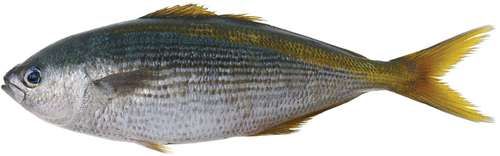
Pacific Pompano might be smaller than reds, but pound-for-pound they're some of the strongest fighters you'll encounter in the surf. These silver bullets rarely exceed 3 pounds, but they'll run hard and fast once hooked, making screaming runs that keep everyone alert. Spring and early summer produce the most consistent pompano action, particularly when sand fleas are active in the wash. They're also fantastic table fare – sweet, white meat that's perfect for kids who might be picky about "fishy" fish. Your guide knows the specific spots where pompano like to feed, usually around sandy holes and cuts where crustaceans get stirred up by wave action.
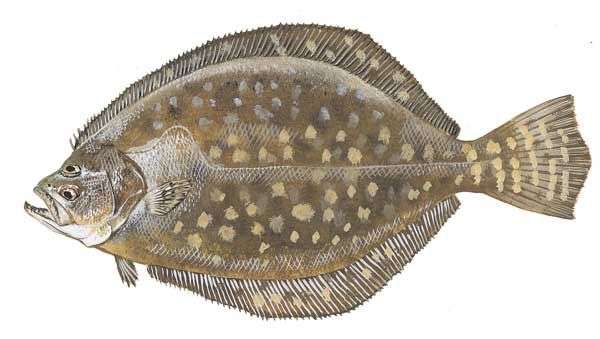
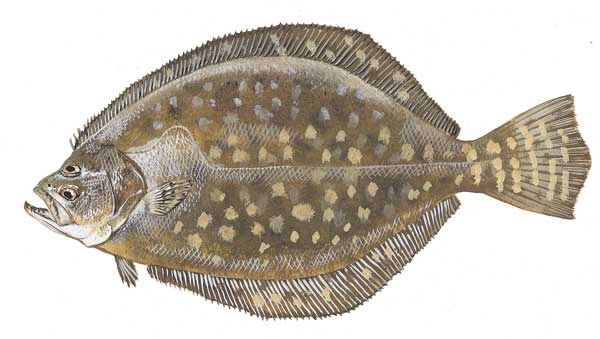
Southern Flounder add an element of stealth to your fishing day. These ambush predators lie buried in sand waiting for unsuspecting prey, then strike with surprising speed. They're most active during spring and fall runs, particularly around structure like pier pilings where baitfish congregate. Flounder fishing requires a bit more patience and finesse than other species, making them perfect for teaching kids about subtle bites and hook-setting technique. Most flounder you'll encounter run 14 to 20 inches, though keeper-sized fish over 15 inches provide excellent eating and a real sense of accomplishment for young anglers.
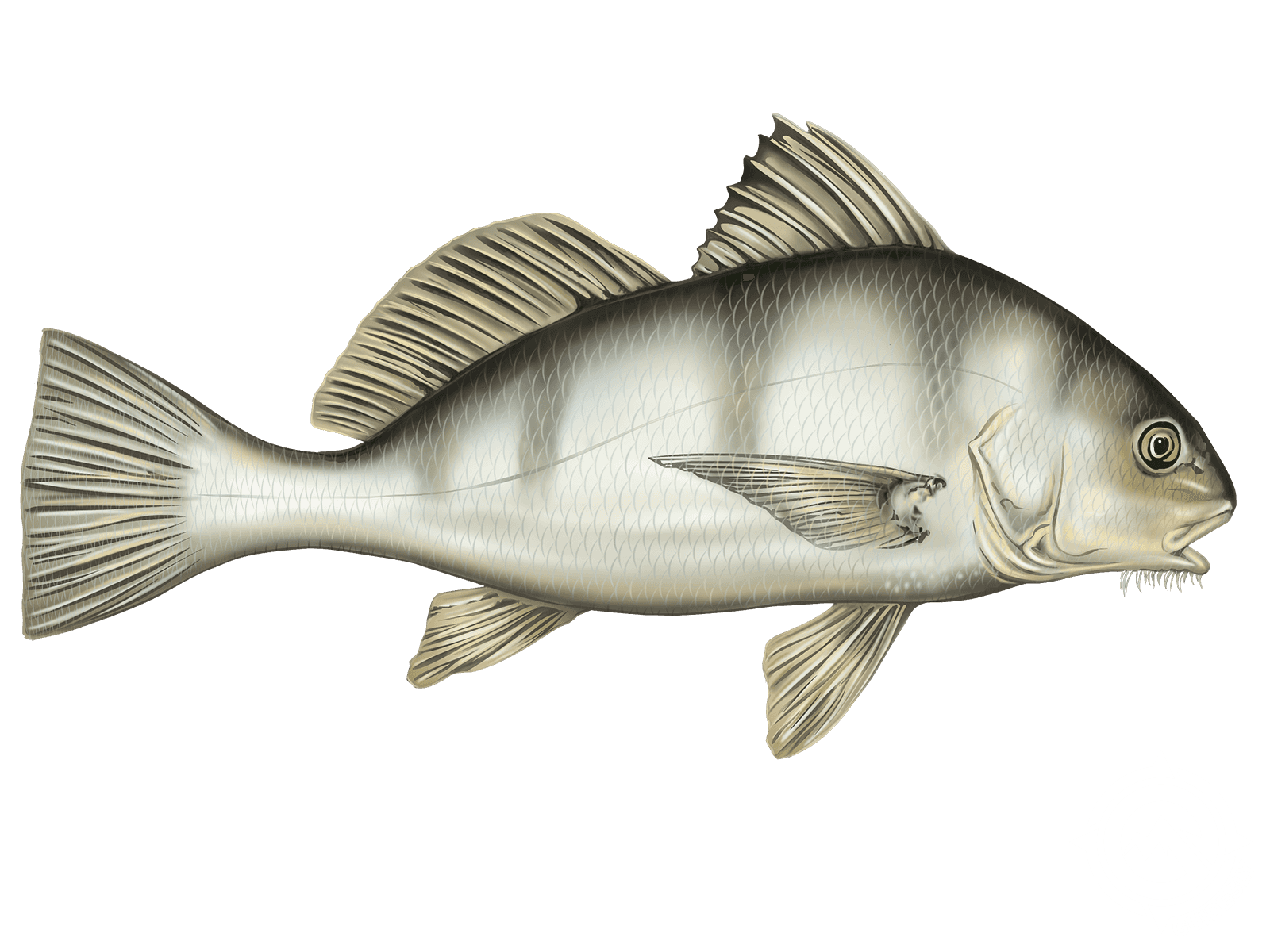
Black Drum round out the target species list with their unique personality and distinctive appearance. These bottom-feeders can range from puppy drum around 2-3 pounds up to massive bulls exceeding 40 pounds, though the middle-range fish provide the best combination of fight and food value. They're particularly active during cooler months when they move into nearshore waters to feed on crabs and mollusks. Black drum have a reputation for being stubborn fighters rather than fast runners – they'll dig deep and try to find structure to break you off. Kids get excited about their prehistoric appearance, with those distinctive barbels under their chin and the deep, thumping fight that's unlike any other species in these waters.
Time to Book Your Spot
This customer favorite surf fishing charter fills up fast, especially during prime season when weather conditions cooperate and fish are most active. The early morning start time means you'll beat both the crowds and the heat, while giving fish the best opportunity to feed naturally. Remember that North Carolina fishing licenses are required for all participants, but your guide will point you toward the easiest places to grab them if needed. The $275 base price for two people makes this a world-class value, particularly when you factor in all gear, local expertise, and the kind of hands-on instruction that actually sticks with kids long after the trip ends. Additional family members at $50 each keeps costs reasonable even for larger groups. Keep in mind that deposits are
Learn more about the species
Black Drum
Black drum are the bulldogs of our surf - powerful fish that can range from 5 pounds up to massive 50+ pound bulls. They're bottom feeders with crushing jaws built for cracking open oysters and crabs. You'll find them around oyster bars, pier pilings, and muddy flats where the food is. Spring spawning season is peak time when they school up and make those distinctive drumming sounds you can actually hear underwater. The smaller fish under 15 pounds are much better eating - anything bigger gets tough and stringy. What guests enjoy is the strong, steady fight they put up without the flashy jumps. They're also forgiving fish that give you time to set the hook. Fresh blue crab is the ultimate bait, but cut shrimp works well too. Pro tip: fish right on the bottom with enough weight to hold, and don't strike too fast when you feel that first tap.
Pacific Pompano
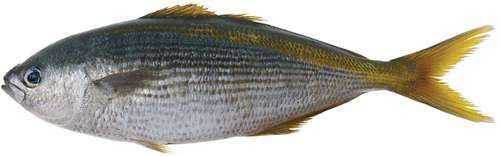
Note: Pacific Pompano don't actually occur in Atlantic waters off Wrightsville Beach - you're likely thinking of Florida Pompano. These silvery, deep-bodied fish run 1-3 pounds typically and are some of the best eating fish in our surf. They prefer clean sandy bottoms and move through in schools during spring and fall migrations. You'll find them working the first and second sandbars where they feed on sand fleas and small crabs. What guests love is their firm, sweet meat - there's really no better fish for the dinner table. They fight well for their size with quick runs and head shakes. Best fishing is usually April through June and again in September. My local tip: use a two-hook bottom rig with small pieces of fresh shrimp and fish right where the waves break over the sandbar.
Redfish
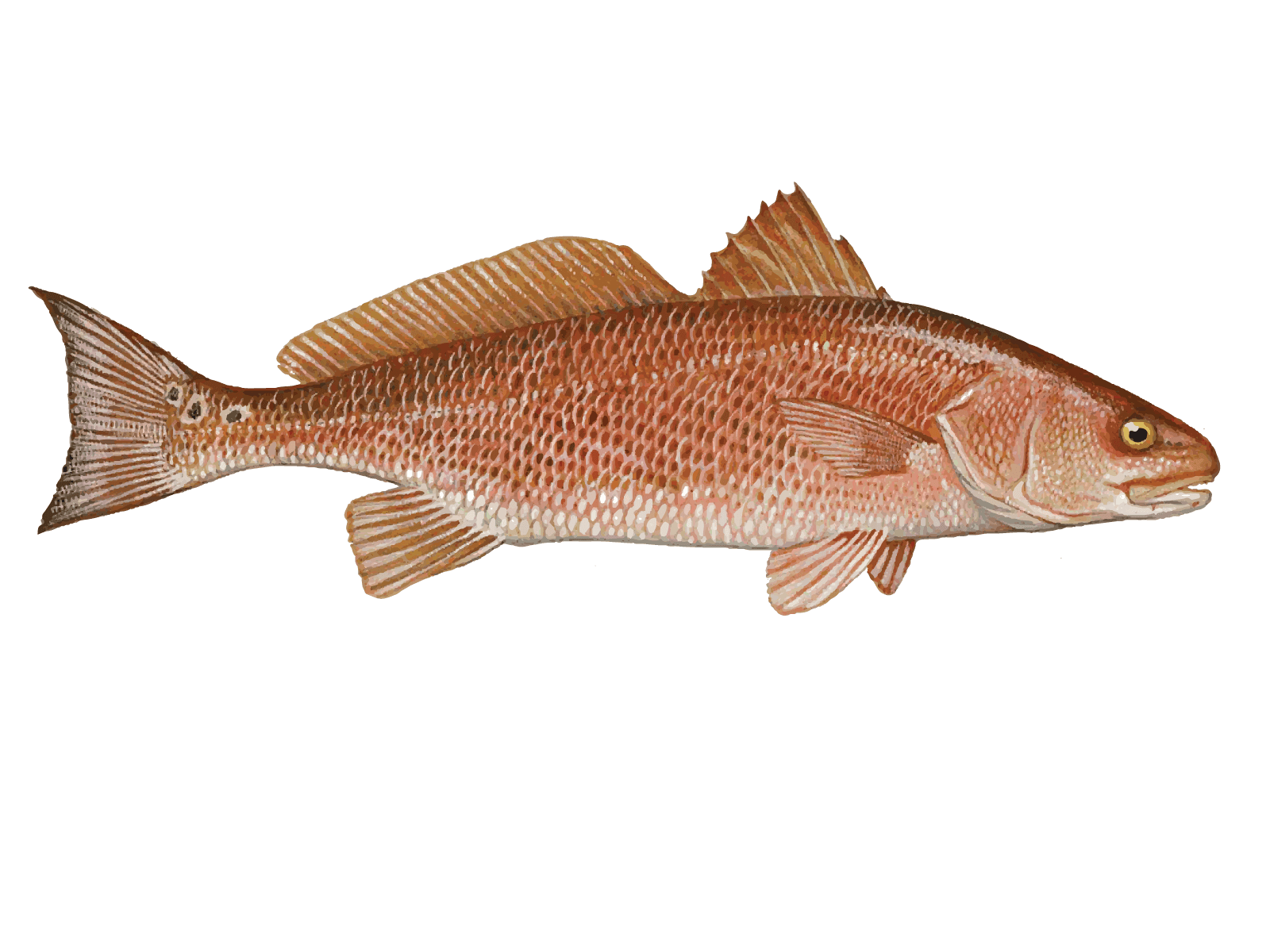
Red drum are what make surf fishing around Wrightsville Beach special. These copper-backed beauties cruise the shallow surf and can grow anywhere from keeper size around 18 inches up to bull reds pushing 40+ pounds. You'll spot them by that distinctive black eyespot near their tail. Spring and fall are prime time when they school up in the surf zone, especially around dawn and dusk. They love sandy bottoms and will cruise right through the breakers hunting for crabs and baitfish. What makes them fun is that explosive strike and the way they peel drag on long runs. The smaller slot fish make excellent table fare with sweet, flaky meat. Here's the trick - when you see them tailing in shallow water, cast your bait well ahead of where they're moving and let it sit still.
Southern Flounder
Southern flounder are masters of disguise that lie buried in sand waiting to ambush prey. Most run 15-18 inches, though we occasionally see doormat-sized fish over 5 pounds. They're both-eyes-on-one-side flatfish that love muddy or sandy bottoms in shallow bays, around docks, and near inlet mouths. Fall is prime time when they're fattening up before their offshore spawn - that's when you'll find the biggest ones. Spring brings good numbers of smaller fish. What makes them appealing is the challenge of figuring out where they're hiding, plus they're outstanding table fare with sweet, white meat. They hit live mud minnows, shrimp, or small finger mullet. The trick is fishing dead on the bottom with minimal weight and being patient - when they grab your bait, give them a few seconds before setting the hook.