%2Ffit-in%2F250x250%2Fguide_websites%2F73086%2Fimages%2F1768999736035chatgptimagejan21202607_38_56pm.png&w=1920&q=100)
/users/699121be-3871-4325-97f9-8d779b795b70/ratecard/mfoy3-mko00u91.jpg)
%2F300x300%2Fusers%2F699121be-3871-4325-97f9-8d779b795b70%2Fratecard%2Fmfoy3-mko00u91.jpg&w=256&q=75)
%2F300x300%2Fusers%2F699121be-3871-4325-97f9-8d779b795b70%2Fimages%2Ffishing-wilmington-2-fish-2649.jpg&w=256&q=75)
%2F300x300%2Fusers%2F699121be-3871-4325-97f9-8d779b795b70%2Fimages%2Fblack-drum-fishing-nc-2484.jpg&w=256&q=75)
%2F300x300%2Fusers%2F699121be-3871-4325-97f9-8d779b795b70%2Fimages%2Fsouthern-flounder-pair-nc-fishing-2843.jpg&w=256&q=75)
%2F300x300%2Fusers%2F699121be-3871-4325-97f9-8d779b795b70%2Fimages%2Fangler-fishing-wilmington-2398.jpg&w=256&q=75)
%2F300x300%2Fusers%2F699121be-3871-4325-97f9-8d779b795b70%2Fimages%2Ffishing-adventure-north-carolina-2506.jpg&w=256&q=75)
%2F300x300%2Fusers%2F699121be-3871-4325-97f9-8d779b795b70%2Fimages%2Fflorida-pompano-fishing-north-carolina-2730.jpg&w=256&q=75)
%2F300x300%2Fusers%2F699121be-3871-4325-97f9-8d779b795b70%2Fimages%2Fbest-catch-black-drum-sheepshead-2562.jpg&w=256&q=75)
%2F300x300%2Fusers%2F699121be-3871-4325-97f9-8d779b795b70%2Fimages%2Ffishing-wilmington-2568.jpg&w=256&q=75)
%2F300x300%2Fusers%2F699121be-3871-4325-97f9-8d779b795b70%2Fimages%2Fwilmington-fishing-trip-2682.jpg&w=256&q=75)
%2F300x300%2Fusers%2F699121be-3871-4325-97f9-8d779b795b70%2Fimages%2Fblack-drum-fishing-north-carolina-2576.jpg&w=256&q=75)
Top Rated Wrightsville Beach Inshore Fishing NC
 Wrightsville Beach
What you will be catching:
 Black Drum
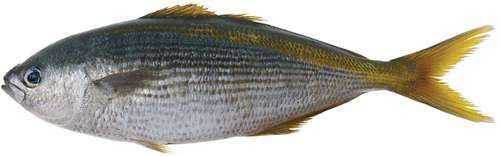
 Pacific Pompano
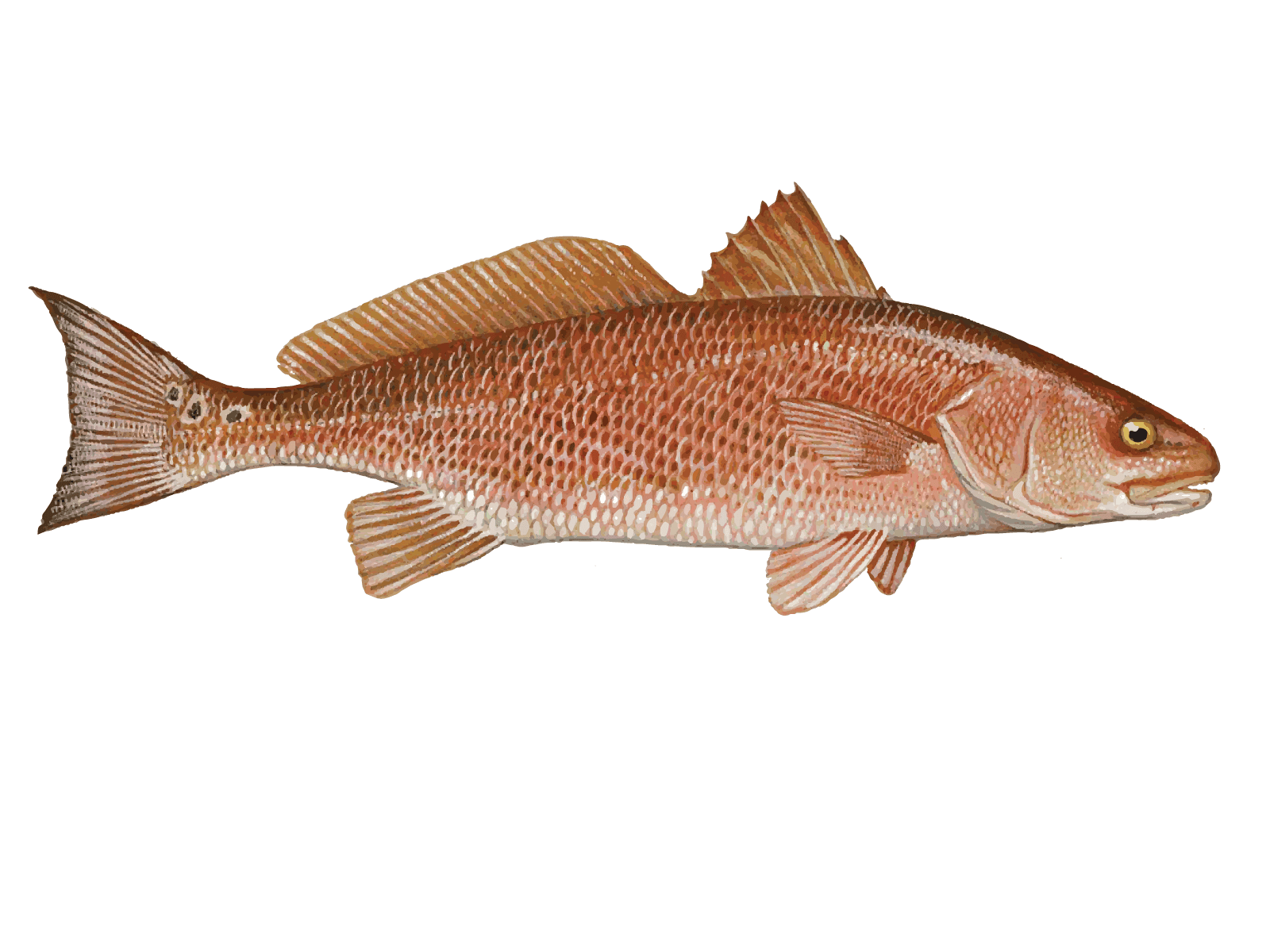
 Redfish
 Southern Flounder
- 4-hour sunrise surf fishing experience from Wrightsville Beach
- Complete gear, bait, and expert instruction provided for all skill levels
- Private trip accommodates up to 4 guests targeting multiple fish species
Trip Pricing and Availabilities:
Wrightsville Beach Surf Fishing Charter
Nothing beats the feel of sand between your toes and a rod in your hands as you work the surf at one of North Carolina's most productive fishing spots. This 4-hour private surf fishing charter puts you right where the action happens - on the beautiful beaches of Wrightsville, where the Atlantic meets the shore and creates perfect feeding zones for some of the area's best inshore species. Starting at first light (6:00 AM), you'll have the beach mostly to yourself while targeting redfish, pompano, flounder, and black drum with a seasoned local guide who knows exactly where these fish like to hang out.
What to Expect on the Water
This top-rated surf fishing experience runs $275 for up to 2 anglers, with room for 4 total guests at just $50 per additional person - making it perfect for couples looking for a peaceful morning or families wanting to get everyone involved. Your guide handles all the heavy lifting, bringing quality rods, reels, fresh bait, and tackle suited for whatever's biting that day. You'll learn how to read the water, spot the best structure, and feel the difference between a fish bite and wave action. The beach fishing here is beginner-friendly, but don't let that fool you - these waters consistently produce quality fish that'll get your heart pumping. Just remember to grab your fishing license beforehand, as North Carolina requires one for anyone 16 and older.
Surf Fishing Fundamentals
Surf fishing is all about understanding how fish move along the coastline and where they hunt for food. Your guide will show you how to spot productive water - those deeper cuts between sandbars, areas where baitfish get pushed around by current, and structure that holds fish close to shore. You'll be using circle hooks with fresh shrimp, cut bait, or live finger mullet depending on what's working that day. The technique involves casting beyond the breakers into feeding zones, then letting the fish come to you while you stay alert for those subtle taps and runs. Sand spikes keep your rods secure while you wait, and your guide will teach you when to set the hook versus when to let a fish run with the bait. The beauty of surf fishing is its simplicity - no boat required, just good positioning and patience.
Species You'll Want to Hook
Redfish are the crown jewel of North Carolina surf fishing, and Wrightsville Beach serves up some beauties. These copper-colored fighters typically run 18-27 inches in the surf and are most active during moving tides, especially around dawn and dusk. What makes reds special is their aggressive strikes and bulldogging fights - they'll make long runs parallel to the beach and use the waves to their advantage. Fall and spring offer the best action, though you can find them year-round in the right conditions. Redfish have excellent table fare with firm, white meat, and they're just plain fun to catch on medium-action surf rods.
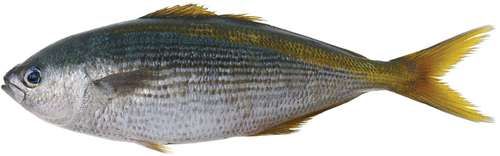
Pacific Pompano might be smaller than reds, but they're absolute gold for surf anglers who know their value. These silvery fish average 1-3 pounds and are prized for their delicate, sweet meat that's considered some of the best eating in the ocean. Pompano show up best during warmer months when they're feeding on sand fleas and small crustaceans in the surf zone. They're subtle biters, often just adding weight to your line rather than yanking it, so your guide will teach you to recognize their gentle takes. When you hook one, they make fast, short runs and put up a surprisingly good fight for their size.
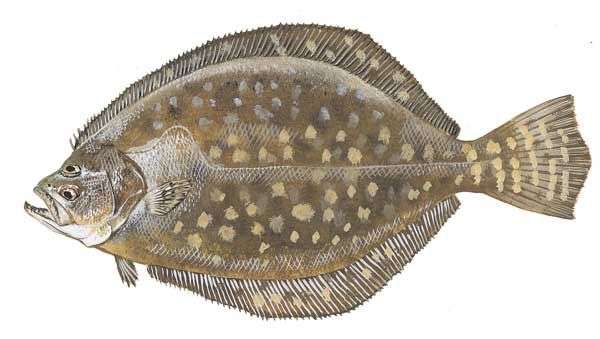
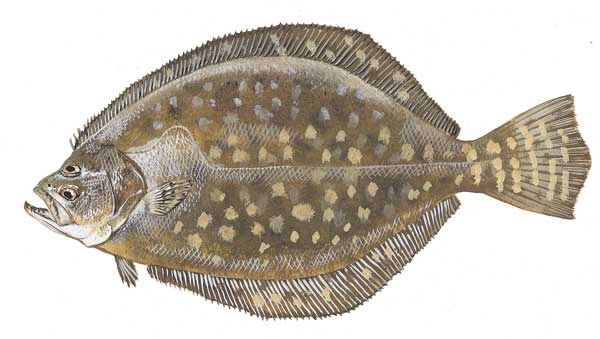
Southern Flounder are the masters of disguise in these waters, lying flat on sandy bottoms waiting to ambush unsuspecting baitfish. These flatfish can reach impressive sizes - anything over 4 pounds is considered a solid keeper, and Wrightsville waters regularly produce fish pushing 6-8 pounds or more. Flounder season peaks in fall when they're moving toward inlets for their offshore spawning run, making them more aggressive and easier to target. They hit live bait hard and make strong runs once hooked, often jumping and thrashing at the surface. Their white meat is incredibly versatile and mild, making them a customer favorite for the dinner table.
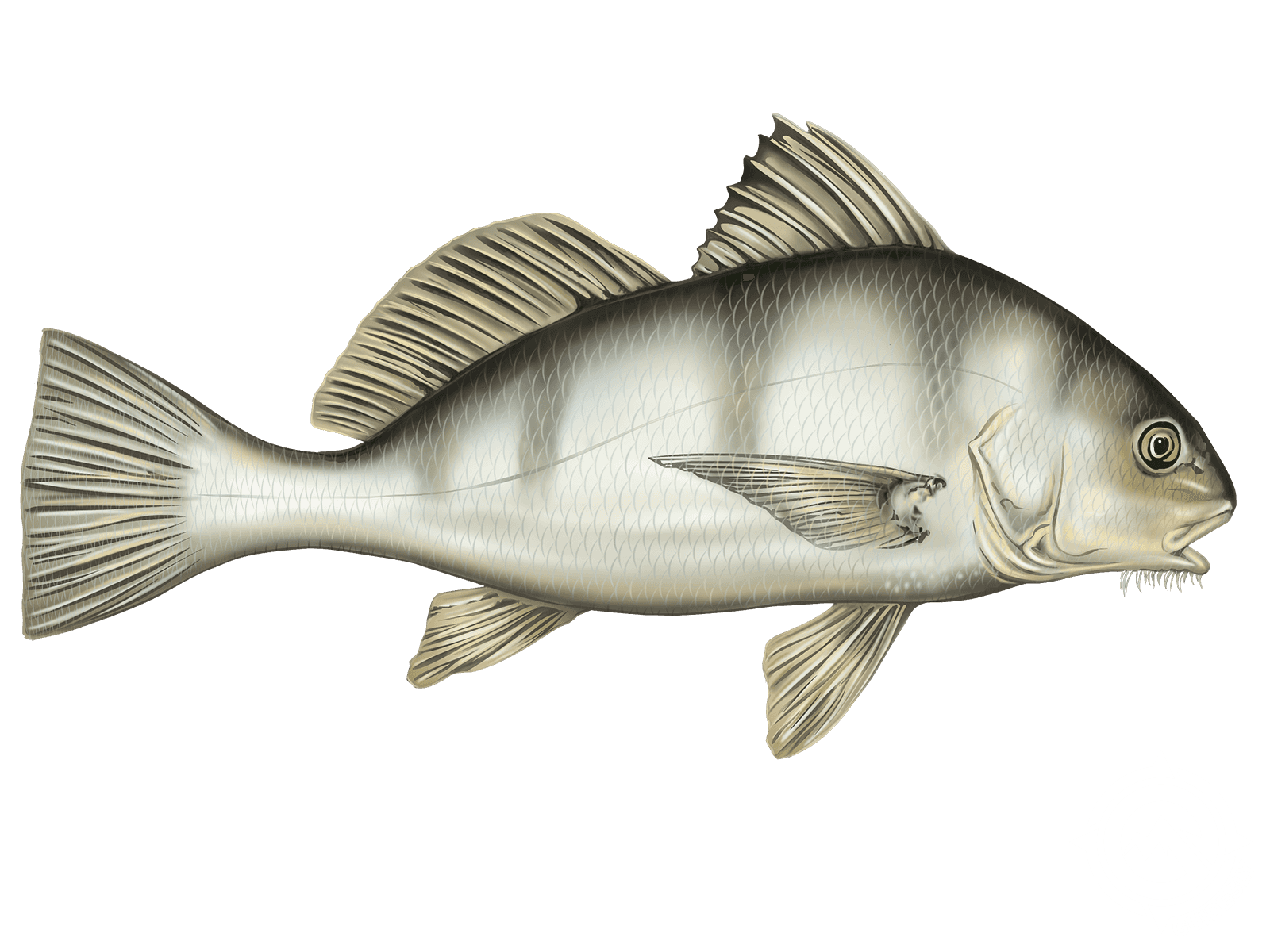
Black Drum are the powerhouses of the surf zone, with adult fish commonly reaching 20-40 pounds in these waters. These dark-sided bruisers are bottom feeders that love crabs, shrimp, and cut bait, making them perfect targets for surf fishing techniques. What makes black drum special is their incredible pulling power - they use their broad sides and the surf to wage war against your drag system. Peak season runs from late winter through spring, when larger fish move into shallow water to spawn. You'll hear these fish before you see them - they make distinctive drumming sounds by vibrating muscles against their swim bladders, especially when they're in feeding mode.
Time to Book Your Spot
This renowned Wrightsville Beach surf fishing charter gives you everything you need for a successful morning on the water without the hassle of boat travel or rough seas. With all gear provided and expert instruction included, it's perfect for anglers of all skill levels who want to experience North Carolina's world-class surf fishing scene. The 6:00 AM start time puts you on the beach during prime feeding hours when fish are most active, and the 4-hour duration gives you plenty of time to work different spots and techniques. At $275 for two people, it's an affordable way to learn from a local expert while targeting some of the area's best inshore species. Remember that deposits are non-refundable, so plan accordingly - but with Wrightsville's consistent fishing action, you're in for a great day regardless of the season.
Learn more about the animals
Black Drum
Black drum are the heavyweights of our local drum family, and they put up a serious fight. Most of ours run 5-15 pounds, but we see some real bulls pushing 30+ pounds during spring spawning runs. They're bottom feeders with powerful jaws built for crushing oysters and crabs, hanging around oyster beds, creek mouths, and shallow flats. Spring is peak season when they school up for spawning - that's when you hear them "drumming" underwater. What makes them special is that slow, powerful fight and the fact that smaller ones are great eating. The bigger fish get tough and stringy, so we usually release anything over 15 pounds. They're also incredibly adaptable, handling everything from brackish creeks to full saltwater. My secret weapon is fresh blue crab on a fish-finder rig. Unlike shrimp, crab stays on the hook and doesn't attract every catfish in the area. Patience is key - they're deliberate feeders, not rush-and-grab fish.
Pacific Pompano
Pacific pompano might not be the biggest fish we target, but they're worth the effort for sure. These silver beauties usually run 6-8 inches, though we occasionally see them push 12-14 inches. They're schooling fish that cruise sandy bottoms and around pier pilings, often mixing with other species. What makes them tricky is they spook easily - one wrong move and the whole school vanishes in a flash. You can catch them year-round here, but they seem more active during warmer months. Guests love them because the meat is absolutely primo - sweet, firm, and flaky when cooked right. Since they're picky eaters, I always rig small hooks with fresh shrimp or mussel pieces. The key is staying quiet and keeping your bait small. When you find a school, work it gently - they'll often come back if you don't panic them with heavy footsteps or loud talking.
Redfish
Red drum are one of our most popular targets around Wrightsville Beach, and for good reason. These copper-colored bruisers typically run 18-28 inches in our waters, with that distinctive black spot near the tail that fools predators. You'll find them cruising the shallows - sometimes in water so thin their backs show above the surface. They love oyster beds, grass flats, and around pier pilings where they hunt for crabs and baitfish. Spring through fall gives us the best action, especially on moving tides. What makes them special is that explosive strike and bulldog fight - they'll make long runs and really test your drag. The smaller ones are fantastic table fare too, with sweet, flaky meat. My go-to tip: look for nervous water or slight wakes in shallow areas - that's usually a red pushing through looking for an easy meal.
Southern Flounder
Southern flounder are one of the most unique fish we chase - flatfish with both eyes on one side of their head that lie buried in sand waiting to ambush prey. They typically run 15-18 inches around here, though we see some nice ones pushing 20+ inches. These ambush predators love sandy bottoms, creek mouths, and anywhere they can blend in perfectly with the substrate. Fall migration season is prime time when they're heading to deeper water to spawn. What guests really enjoy is watching one materialize from what looked like empty sand - it's like magic. The meat is excellent too, white and mild. They're actually color-changing masters, matching whatever bottom they're on. Best tip I can share: use live bull minnows or shrimp on a Carolina rig, and fish it slow along the bottom. When you feel that subtle tap, give them a second to fully commit before setting the hook.