%2Ffit-in%2F250x250%2Fguide_websites%2F73086%2Fimages%2F1768999736035chatgptimagejan21202607_38_56pm.png&w=1920&q=100)
/users/699121be-3871-4325-97f9-8d779b795b70/ratecard/image35-mkou7enj.png)
%2F300x300%2Fusers%2F699121be-3871-4325-97f9-8d779b795b70%2Fratecard%2Fimage35-mkou7enj.png&w=256&q=75)
%2F300x300%2Fusers%2F699121be-3871-4325-97f9-8d779b795b70%2Fimages%2Ffishing-wilmington-2-fish-2649.jpg&w=256&q=75)
%2F300x300%2Fusers%2F699121be-3871-4325-97f9-8d779b795b70%2Fimages%2Fblack-drum-fishing-nc-2484.jpg&w=256&q=75)
%2F300x300%2Fusers%2F699121be-3871-4325-97f9-8d779b795b70%2Fimages%2Fsouthern-flounder-pair-nc-fishing-2843.jpg&w=256&q=75)
%2F300x300%2Fusers%2F699121be-3871-4325-97f9-8d779b795b70%2Fimages%2Fangler-fishing-wilmington-2398.jpg&w=256&q=75)
%2F300x300%2Fusers%2F699121be-3871-4325-97f9-8d779b795b70%2Fimages%2Ffishing-adventure-north-carolina-2506.jpg&w=256&q=75)
%2F300x300%2Fusers%2F699121be-3871-4325-97f9-8d779b795b70%2Fimages%2Fflorida-pompano-fishing-north-carolina-2730.jpg&w=256&q=75)
%2F300x300%2Fusers%2F699121be-3871-4325-97f9-8d779b795b70%2Fimages%2Fbest-catch-black-drum-sheepshead-2562.jpg&w=256&q=75)
%2F300x300%2Fusers%2F699121be-3871-4325-97f9-8d779b795b70%2Fimages%2Ffishing-wilmington-2568.jpg&w=256&q=75)
%2F300x300%2Fusers%2F699121be-3871-4325-97f9-8d779b795b70%2Fimages%2Fwilmington-fishing-trip-2682.jpg&w=256&q=75)
%2F300x300%2Fusers%2F699121be-3871-4325-97f9-8d779b795b70%2Fimages%2Fblack-drum-fishing-north-carolina-2576.jpg&w=256&q=75)
Beginner Surf Fishing Wrightsville Beach NC
 Wrightsville Beach
What you will be catching:
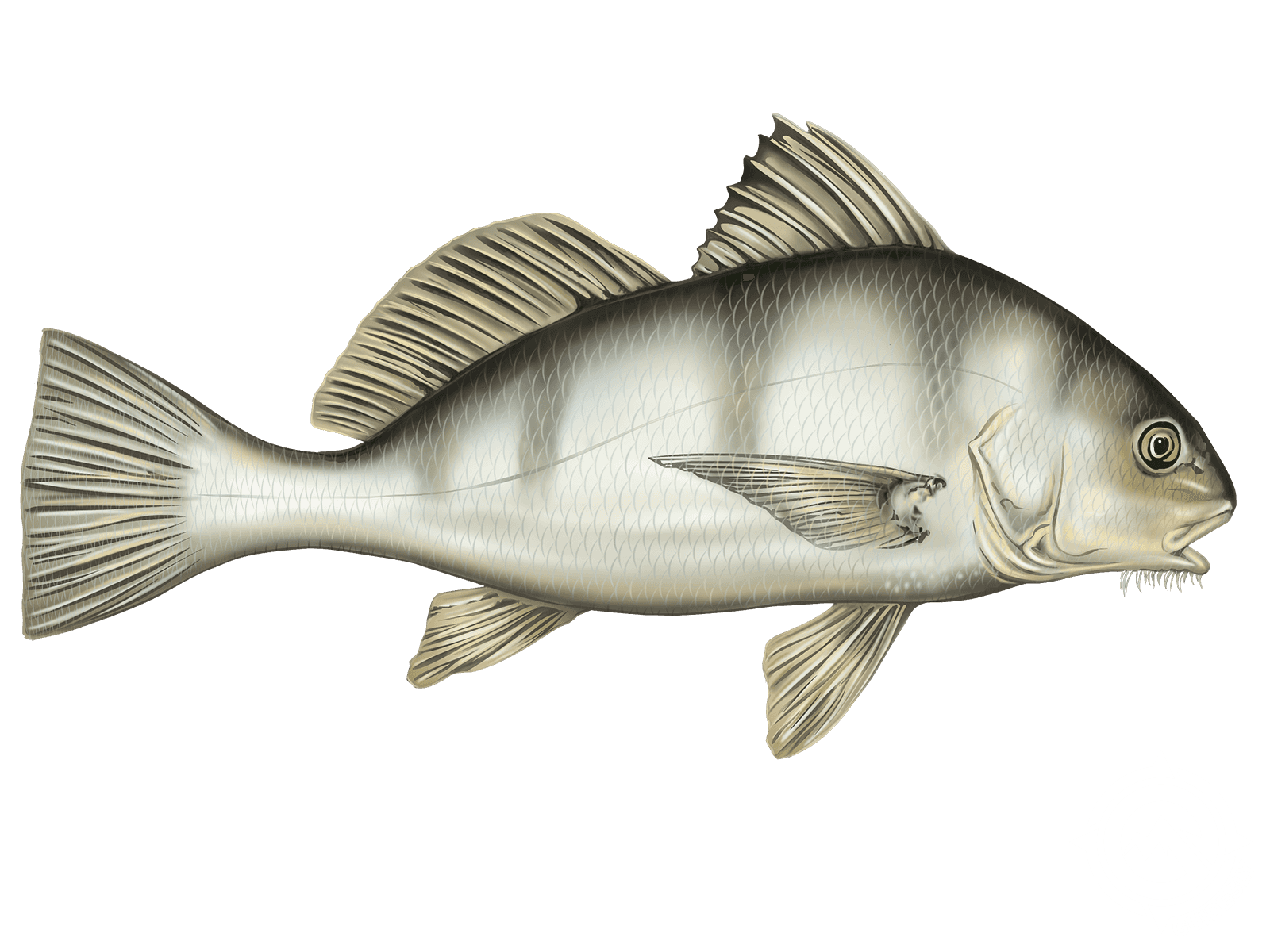
 Black Drum
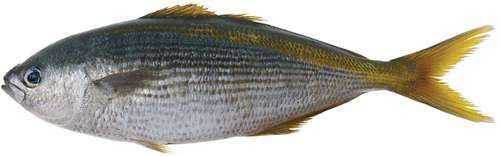
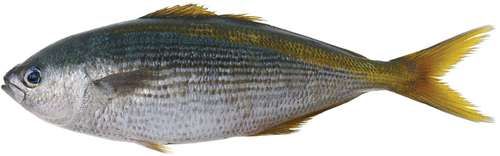 Pacific Pompano
 Redfish
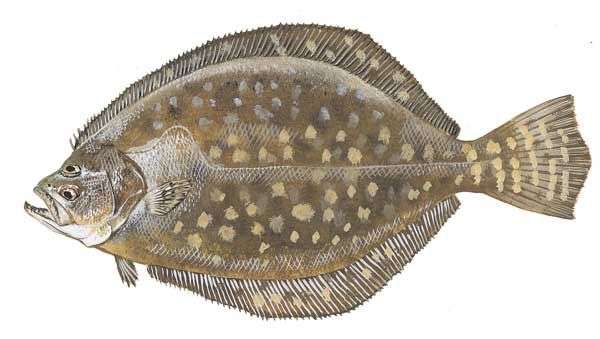
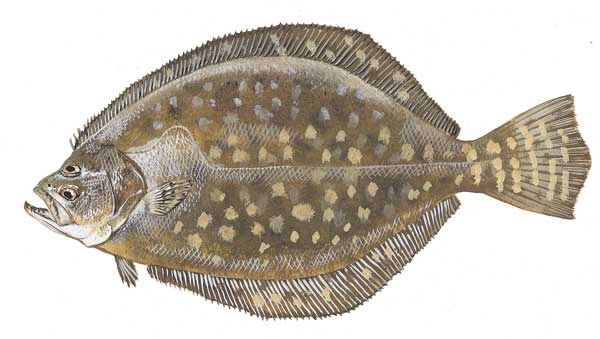 Southern Flounder
- 4-hour beginner surf fishing experience at Wrightsville Beach starting 6 AM
- All equipment and expert instruction provided for $275 per two anglers
- Target pompano, redfish, flounder, and black drum from shore
Trip Pricing and Availabilities:
Wrightsville Beach Surf Fishing for Beginners
Looking to get your feet wet in the surf fishing scene? This 4-hour private trip at Wrightsville Beach is perfect for first-timers who want to learn the ropes without the pressure of a big group. Starting bright and early at 6 AM when the fish are most active, you'll spend quality time with a local guide who knows these waters like the back of their hand. The base price of $275 covers up to two anglers, and you can bring along two more friends for just $50 each - making it a top-rated choice for small groups or families wanting a personalized experience. Don't worry about gear or know-how; everything's provided except your fishing license, which you'll need to grab beforehand.
What to Expect on the Water
Your guide will meet you right on the sand at Wrightsville Beach, where the Atlantic Ocean offers some of North Carolina's most consistent surf fishing action. The early morning start isn't just for show - it's when the water's calmest and the fish are actively feeding near the shoreline. You'll learn the fundamentals of reading the surf, identifying productive water, and understanding how tides affect fish behavior. The beauty of this setup is that you're fishing from either the beach or pier depending on conditions, giving you flexibility that boat trips can't match. Your guide will walk you through everything step by step: proper casting technique, how to read your rod tip for bites, setting the hook, and bringing fish to shore safely. It's hands-on learning in one of the best fishing spots along the Crystal Coast, where the Gulf Stream's warm waters mix with cooler inshore currents to create perfect conditions for multiple species.
Gear Setup & Techniques
All rods, reels, bait, and tackle come included, so you can focus on learning rather than worrying about equipment. Your guide will set you up with medium-heavy surf rods designed to cast beyond the breakers where fish cruise for food. You'll use circle hooks with fresh bait - typically shrimp, cut mullet, or sand fleas depending on what's working that day. The technique involves casting your rig 50-100 yards out past the white water, then settling in with your rod in a sand spike while watching for that telltale bend that means fish on. You'll learn to distinguish between different types of bites: the steady pull of a redfish, the quick taps of sea mullet, or the head-shaking run of a black drum. Surf fishing is all about patience and reading the water, but when it clicks, you'll understand why so many anglers get hooked on this style of fishing. The pier option gives you access to deeper water without the long casts, perfect for targeting flounder around the pilings or drum cruising the drop-offs.
Species You'll Want to Hook
Redfish are the crown jewel of Wrightsville Beach surf fishing, and these copper-colored fighters put up some serious battles once hooked. Also called red drum, they range from slot-sized fish around 18-27 inches up to bull reds that can stretch past 40 inches and weigh 30+ pounds. Spring through fall offers the best action, with September and October being absolutely phenomenal when schools of bull reds migrate south along the beach. What makes reds special is their intelligence - they're not easy to fool, but when you connect with one, that initial run will test your drag and get your heart pumping. The sound they make drumming against the bottom is unmistakable, and their fight in the surf is pure adrenaline.
Pacific Pompano might be smaller than reds, but pound for pound they're some of the strongest fish you'll encounter in the surf. These silver bullets typically run 1-3 pounds and are prized for both their fight and their incredible table fare. Pompano are most active from late spring through early fall, and they have a habit of showing up in schools, so where you catch one, there's usually more nearby. They're fond of sand fleas and small shrimp, making them perfect targets for beginning surf anglers. The way they use their flat, disc-shaped bodies to fight against the current makes landing even a small pompano feel like you've caught something twice its size.
Southern Flounder are the master ambush predators of the surf zone, lying camouflaged on sandy bottoms waiting for unsuspecting baitfish to swim by. These flatfish can grow quite large - anything over 20 inches is considered a keeper, and doormat flounder pushing 5-8 pounds show up regularly in fall when they're feeding heavily before their offshore spawn. What's exciting about flounder fishing is that the bite often feels like you're just snagged on the bottom, until suddenly your "snag" starts swimming away. They're most active during moving water, especially around pier pilings, inlet mouths, and areas where the bottom changes from sand to shell or rock.
Black Drum are the gentle giants of the surf, with mature fish commonly reaching 20-50 pounds and occasionally much larger. These bottom-feeders are most active in spring and fall, using their downturned mouths and pharyngeal teeth to crush crabs and shellfish along the bottom. Black drum are perfect for beginners because they bite steadily and don't require lightning-fast hooksets like some species. When you hook into a big drum, it's not about speed - it's about endurance. They'll use their broad sides and sheer weight to test your patience, making multiple runs toward deeper water. The larger fish are usually released to preserve the breeding population, but smaller drum in the 5-15 pound range make excellent table fare.
Time to Book Your Spot
This beginner-friendly surf fishing trip combines world-class fishing with personalized instruction in one of North Carolina's most beautiful coastal settings. The early morning timing gives you the best shot at active fish while avoiding crowds, and the private guide ensures you'll get individual attention rather than competing for help with a dozen other anglers. With all
Learn more about the species
Black Drum
Black drum are the heavyweights of our inshore waters, often called "the poor man's tarpon" for their bulldogging fight. These gray-black bruisers typically weigh 5-30 pounds but can hit 50+ pounds. You'll find them around oyster beds, pilings, and shallow flats where they use powerful jaws to crush shellfish and crabs. Spring is peak season when they school up for spawning - that's when you hear their distinctive drumming sounds underwater. The smaller ones under 15 pounds are excellent eating with firm, white meat. Bigger fish get tough and are better released. They're perfect for beginners because they're not picky eaters and fight hard but steady. Best bait is fresh blue crab or cut shrimp fished right on the bottom with enough weight to stay put.
Pacific Pompano
Pacific Pompano aren't actually found here on the East Coast - you'd need to head to California waters for those silvery members of the butterfish family. At Wrightsville Beach, we target Florida Pompano instead, which are similar in many ways but better suited to our Atlantic waters. These fish love sandy bottoms in the surf zone and are prized for their sweet, delicate meat. They typically run 1-3 pounds and put up a decent scrap for their size. The best fishing happens during their spring and fall migrations when schools move through our area. Sand fleas, shrimp, and small jigs work well. Since Pacific Pompano don't swim in our waters, we'll focus on the local pompano species that actually call this coast home.
Redfish
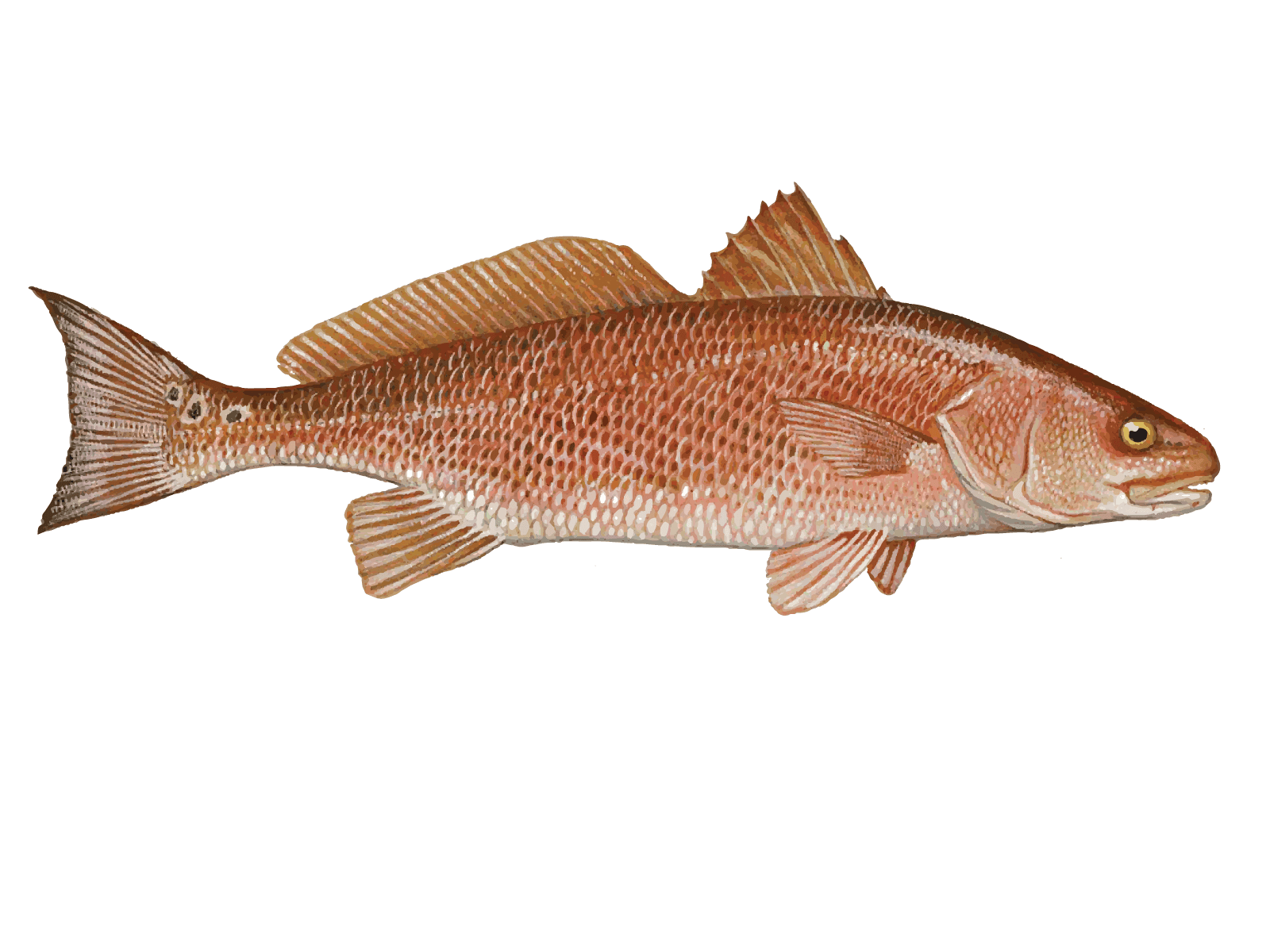
Redfish are one of our most popular targets here at Wrightsville Beach. These copper-colored beauties average 20-30 inches and are known for that distinctive black spot near their tail. You'll find them cruising the shallow flats and around oyster beds in 1-4 feet of water, sometimes so shallow their backs stick out. Spring through fall gives you the best action when they're actively feeding. What makes redfish special is their strong, steady fight and excellent table fare - mild, flaky meat that's perfect for the grill. They'll hit live shrimp, cut bait, and artificial lures. Pro tip: look for nervous water or tailing fish in the shallows during moving tides. When you spot one, cast past it and work your bait back slowly.
Southern Flounder
Southern flounder are masters of disguise - these flat, sandy-colored fish bury themselves in the bottom waiting to ambush prey. They typically run 15-18 inches, though we see some real doormat-sized fish pushing 5+ pounds. You'll find them on sandy and muddy bottoms in shallow bays, around docks, and near creek mouths where they hunt shrimp, crabs, and small fish. Fall is prime time when they're fattening up before their offshore spawn. What's cool about flounder is both eyes are on one side of their head, and they can change color to match the bottom. The meat is white, flaky, and some of the best eating you'll find. My best tip: use a slow drift with live mud minnows or finger mullet on a Carolina rig, and give them time to swallow the bait.